Reviews
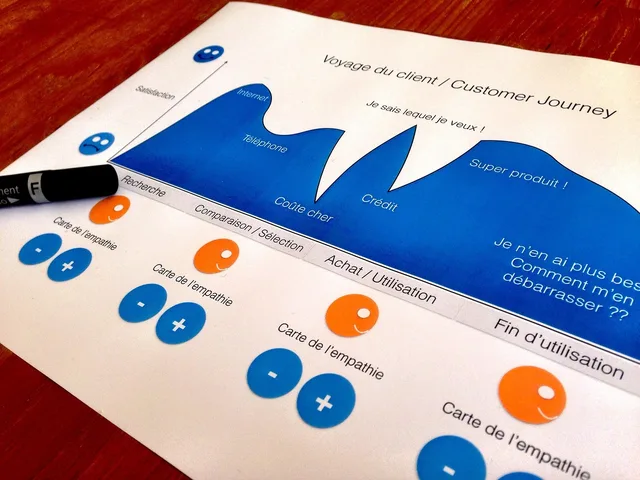
Part of Customer research: how journey maps expose backstage constraints
What to expect from customer research checklist, updated for 2027
A campaign research checklist tests the decision, the people, the method, and the evidence before launch, then watches customer harm after it.
What to take away
- A customer research checklist holds one inspectable record per line: the decision, the source, the test, the approval, the participant record, the analysis, or the action.
- Ten numbered items carry the review, from the campaign decision through to the post-launch watch.
- The evidence gate blocks a launch when the research cannot change the campaign, a relevant group is missing, or a claim outruns its support.
- Every gate needs a named owner and a dated outcomepass, pass with conditions, or blocked.
The checklist, item by item
A customer research checklist tests the evidence behind a campaign, not the campaign idea. It checks whether that evidence supports choices the team has already made about audience, message, offer, channel, journey and measurement.
The GOV.UK Service Manual's guide to planning a research round opens with problems, assumptions, decision needs, methods, participant groups, access needs, consent, session roles and analysis time. Adapt those to a campaign, then add the approval and customer-risk gates below.
- Campaign decision. Name the choice, the owner, the deadline, the alternatives, the evidence threshold and the action for each likely result.
- Audience and problem. Define who is affected, the customer problem, the promise, the offer and the journey stage.
- Existing evidence. Audit support tickets, sales notes, complaints, cancellations, behaviour data and accessibility reports before commissioning anything new.
- Method fit. Match interviews, surveys, usability sessions, diary studies, experiments and behavioural records to distinct questions.
- Participant groups. Include buyers, non-buyers, former customers, failed applicants and people the current experience excludes.
- Consent and purpose. Cover purpose, data, recording, observers, use, sharing, retention, withdrawal, rights, payment and complaints.
- Pilot. Run the invitation through to deletion once before fielding at scale.
- Analysis. Preserve original evidence, define exclusions and compare relevant groups. The discipline behind this step is set out in market research analysis.
- Action. Attach each change to an owner, a hypothesis, a customer guardrail and a validation date.
- Gate record. Log the outcome, the reviewer and the date before launch.
The launch gate in four steps
- Collect the records in one place. A missing record is a failed item.
- Read the gate table line by line. Every row asks for evidence, not assurance.
- Ask the named reviewer to sign. An unsigned row is an open row.
- Log the outcome and any conditions in the template below.
| Gate | Reviewer must see | Blocks launch when |
|---|---|---|
| Decision | Audience choice and evidence threshold | Research cannot change the campaign |
| People | Coverage and participation record | A relevant group is missing |
| Evidence | Method, analysis and limits | A claim exceeds its support |
| Action | Owner, guardrail and validation date | Customer risk is unmonitored |
Example: a blocked launch
A team plans a renewal campaign for a subscription service. The claim is that the new offer cuts first-year churn. The participant list holds current subscribers who renewed last year. The People gate blocks the launch, because lapsed subscribers and people who cancelled in month one are absent. The research lead logs the block with a date.
Fielding resumes once four lapsed or cancelled customers join the next round. The gap had been written off early as an edge case, and that reflex is one of the recurring faults catalogued in customer research mistakes.
Recording the outcome
Field / What goes in it
- Checklist item
- Number and name from the list
- Owner
- One named person, not a team
- Reviewer
- Research lead, privacy contact, accessibility contact, analyst, supplier manager or launch owner
- Date
- Date of the review, not of the campaign
- Outcome
- Pass, pass with conditions, or blocked
- Conditions
- What must change before the campaign runs
- Evidence
- Where the record and the raw material live
Keep one row per item, and keep the template in the campaign file. Canadian panels carry a second set of rules. The Office of the Privacy Commissioner's PIPEDA overview sets consent, retention and access duties that shape recruitment and deletion, and those duties change what a panel costs to run.
What the checklist cannot do
A completed checklist creates reviewable gates. It does not prove the research is valid. Qualified people still judge method fit, execution, rights and the action taken.
Watch complaints, abandonment, access, trust and support after launch. Failure shows up in support contacts long before it shows in revenue. Correct any claim the evidence does not carry, and test the result against a realistic customer research benchmark rather than your own prediction alone.
The FTC's Start with Security guide draws on enforcement matters: collect only what you need, control access, verify providers, retain data deliberately and dispose of it securely. It is guidance, not a complete legal standard.